Esthesioneuroblastoma or Olfactory Neuroblastoma

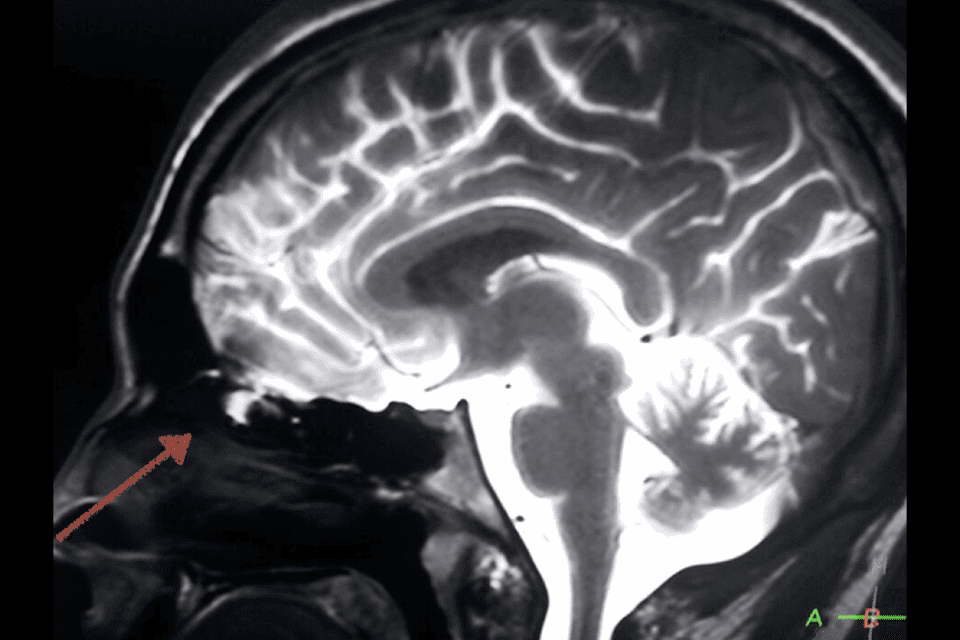
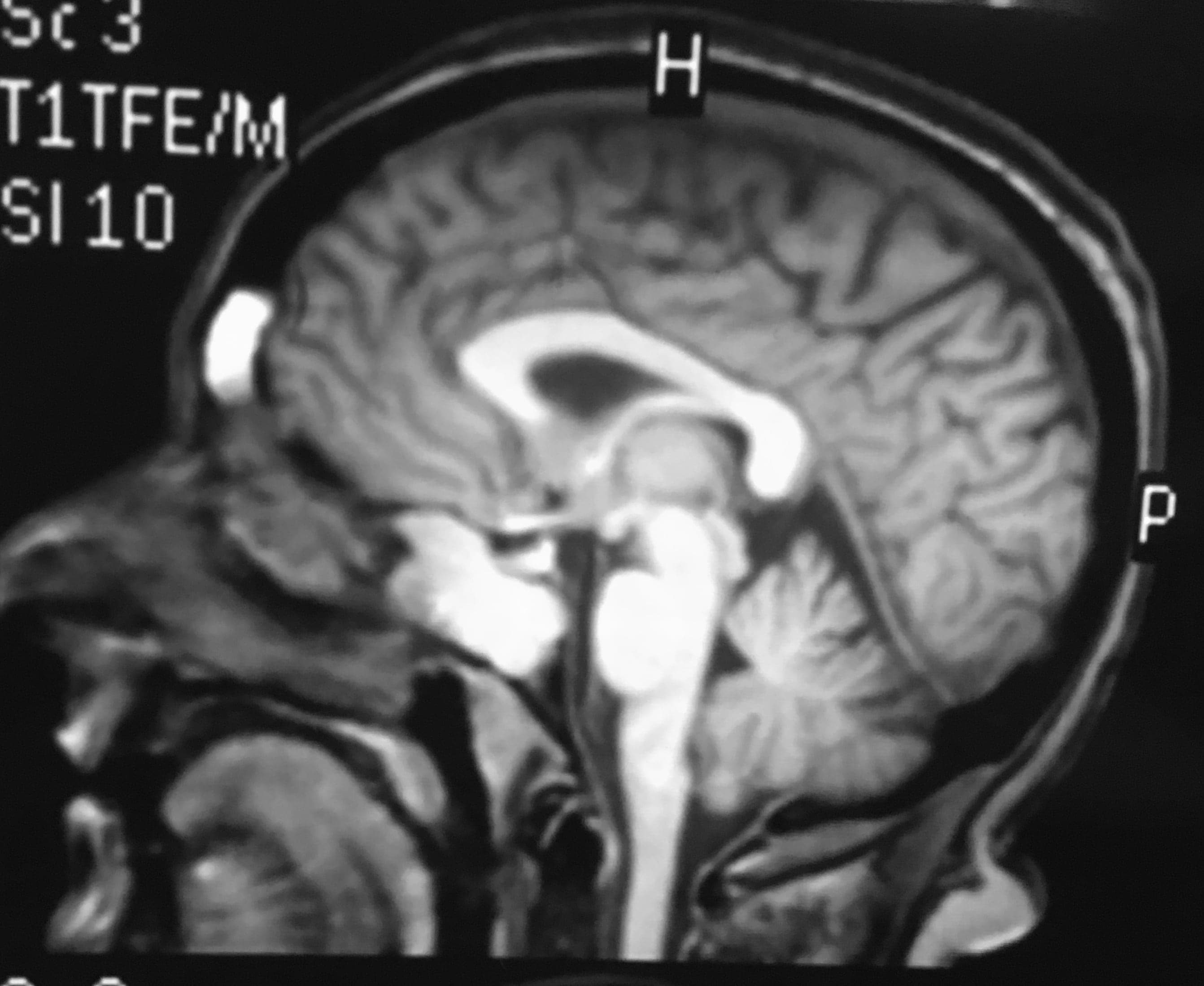
Esthesioneuroblastoma is a rare malignant tumor of the anterior skull base originating from olfactory cells. It can behave both locally and at a distance, affecting cervical lymph nodes and distant organs.

Clinically it presents with sinusitis, facial pain, nasal obstruction, olfactory disturbances, bleeding, ocular proptosis, double vision, headache, and eventually cerebrospinal fluid leakage through the nasal passages.
Symptoms

  • Sinusitis
  • Facial pain
  • Nasal obstruction
  • Olfactory disturbances
  • Nasal bleeding
  • Ocular proptosis (bulging of the eye)
  • Double vision
  • Headache
  • Cerebrospinal fluid leakage through the nasal cavities

Diagnosis

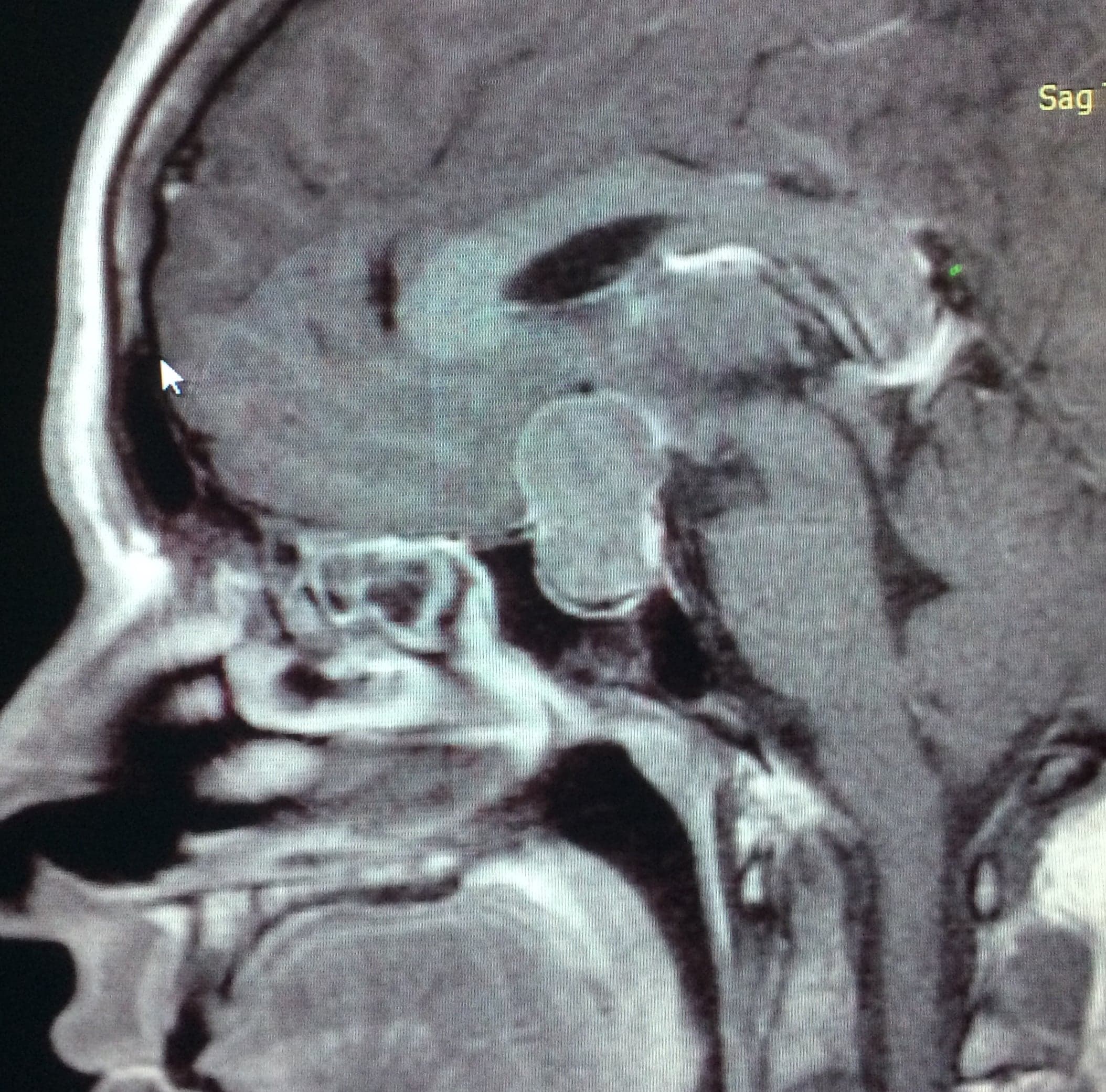
  • Magnetic resonance imaging (MRI) of the skull base and facial skeleton — to assess the extent of the tumor
  • Computed tomography (CT) — to evaluate bony involvement of the skull base
  • Biopsy with histopathological study to confirm the diagnosis
  • Staging studies, given the risk of lymph node and distant involvement

Treatment

The ideal treatment is complete resection with tumor-free margins, followed by evaluation of radiation therapy. Early resection of the tumor with clear margins is associated with greater survival and a better prognosis.

Our approach

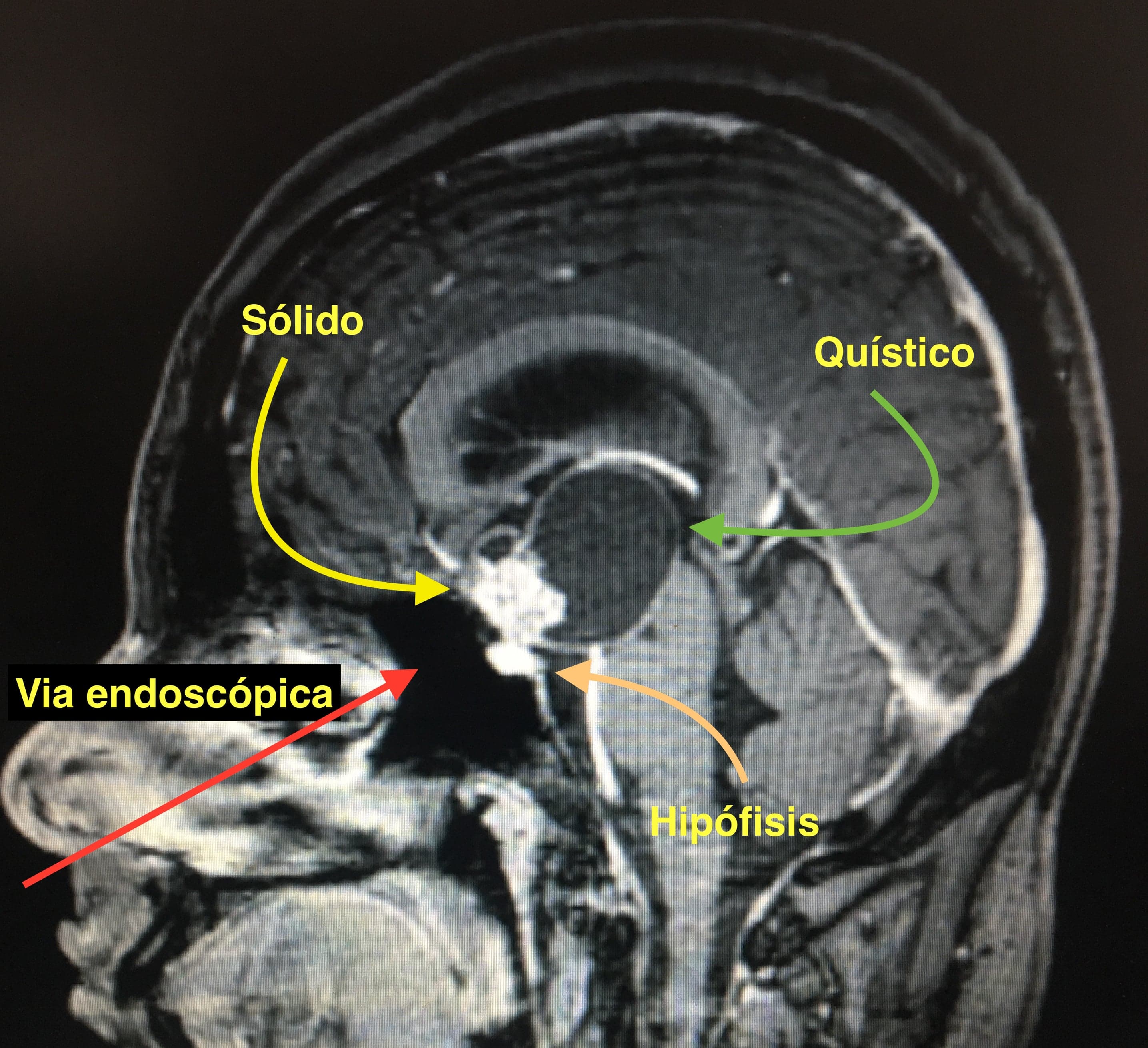
  • Prioritization of the endoscopic endonasal approach for extra- and intracranial tumors
  • Goal of complete resection with clear oncologic margins
  • Approach that minimizes surgical risks and leaves no visible scar
  • Personalized long-term follow-up with imaging controls
Clinical case

Frequently asked questions

Do you need a consultation?

If you'd like to discuss your case or get a second opinion, you can schedule an in-person or virtual consultation.

Related pathologies

Pituitary Adenomas

Pituitary Adenomas

Benign, slow-growing tumors originating from cells of the adenohypophysis, classified as functioning or non-functioning.

View pathology
Craniopharyngiomas

Craniopharyngiomas

Benign tumors of the sellar and suprasellar region derived from epithelial cells of Rathke's pouch.

View pathology
Cerebrospinal Fluid Leaks

Cerebrospinal Fluid Leaks

Skull base defects that allow cerebrospinal fluid to escape through the nasal cavities, treatable with endoscopic endonasal surgery.

View pathology