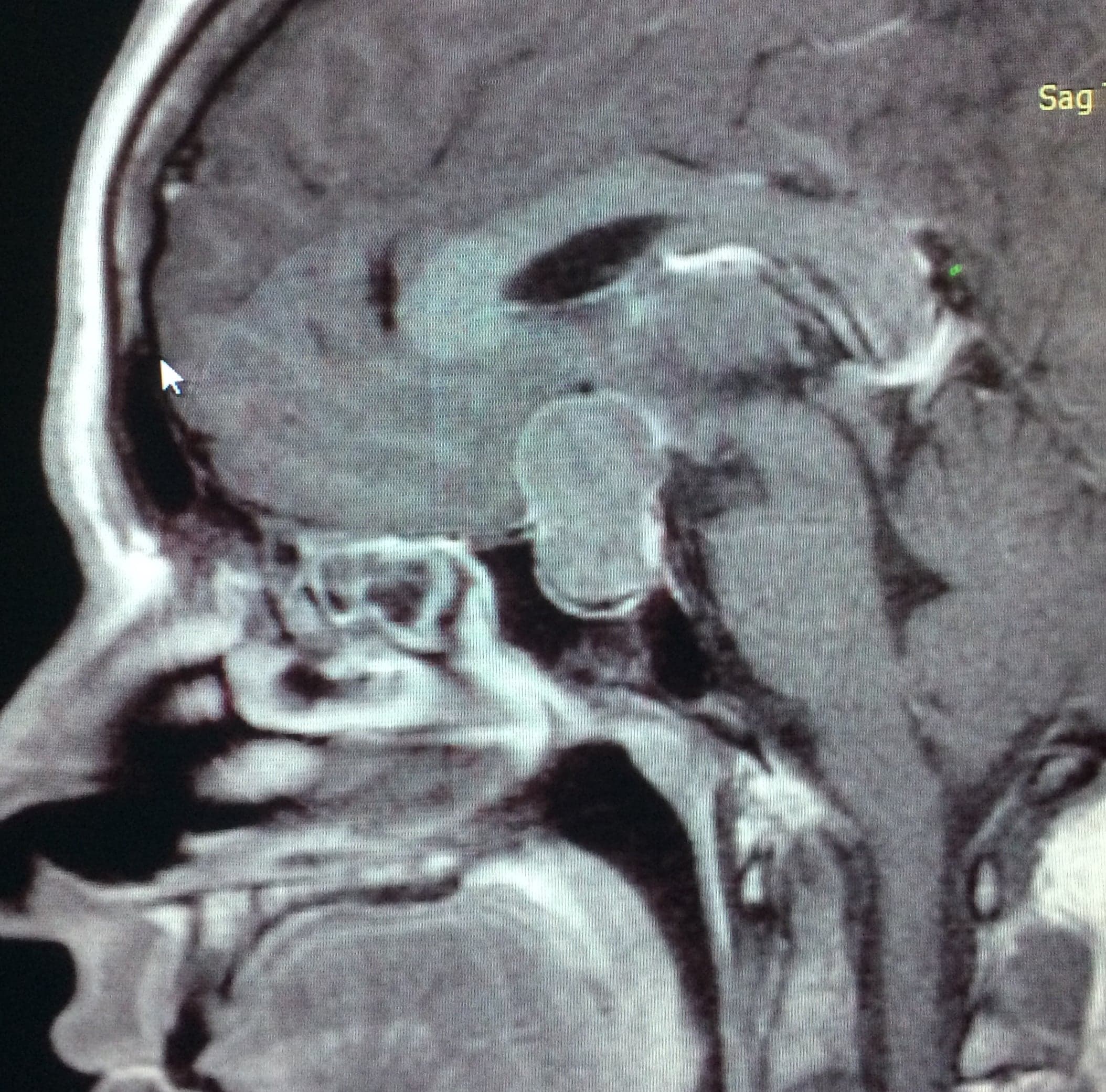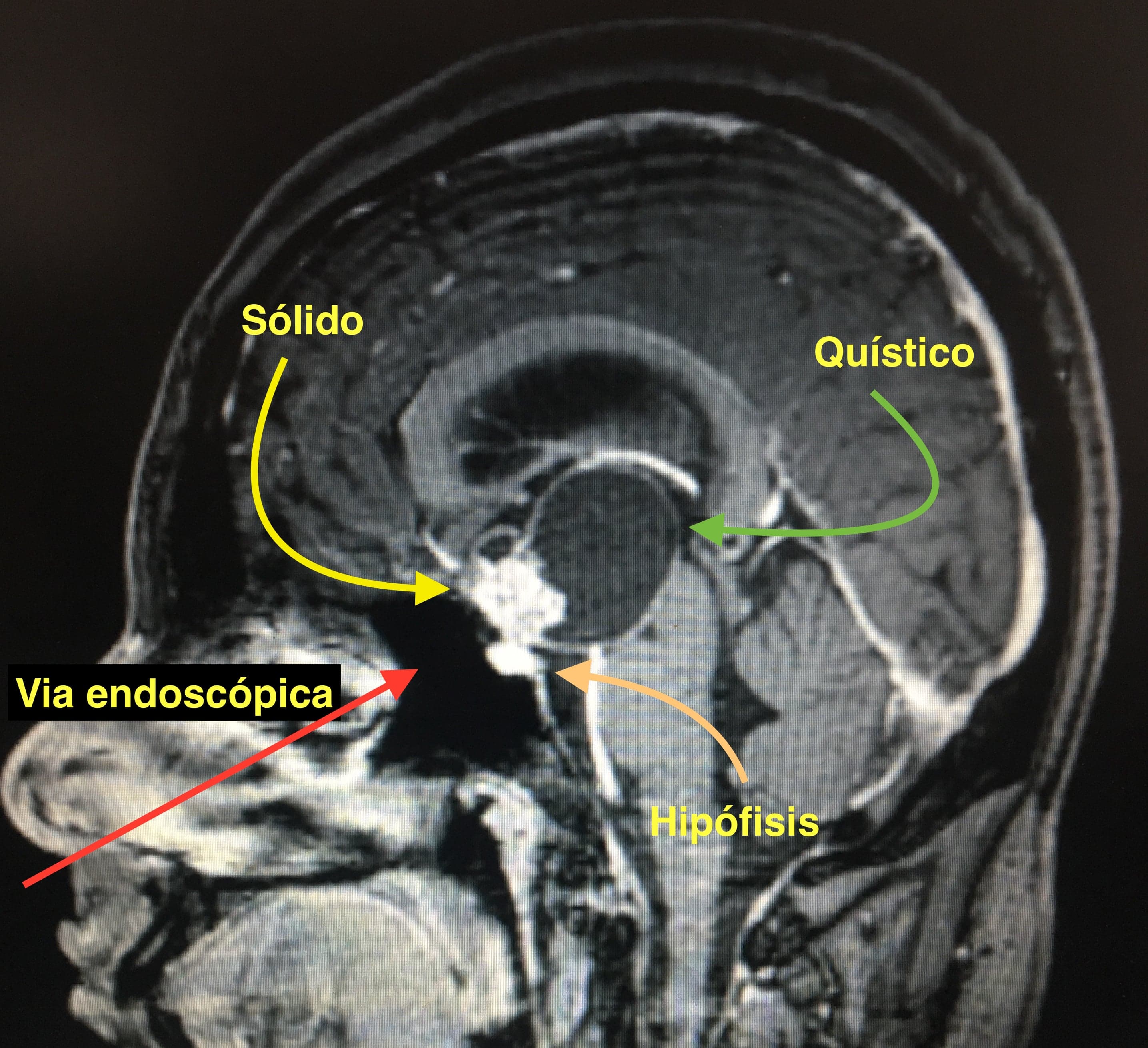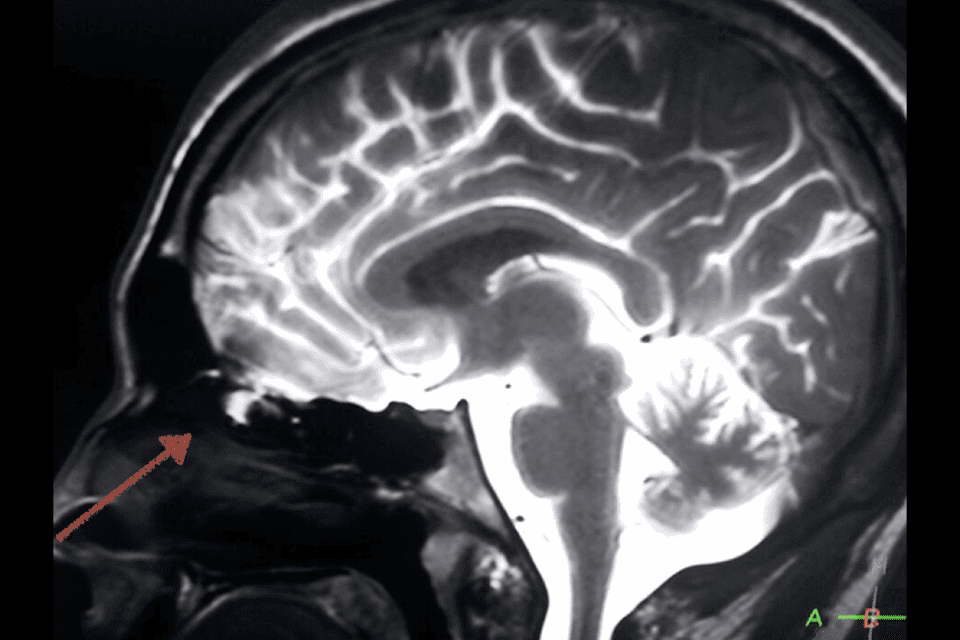
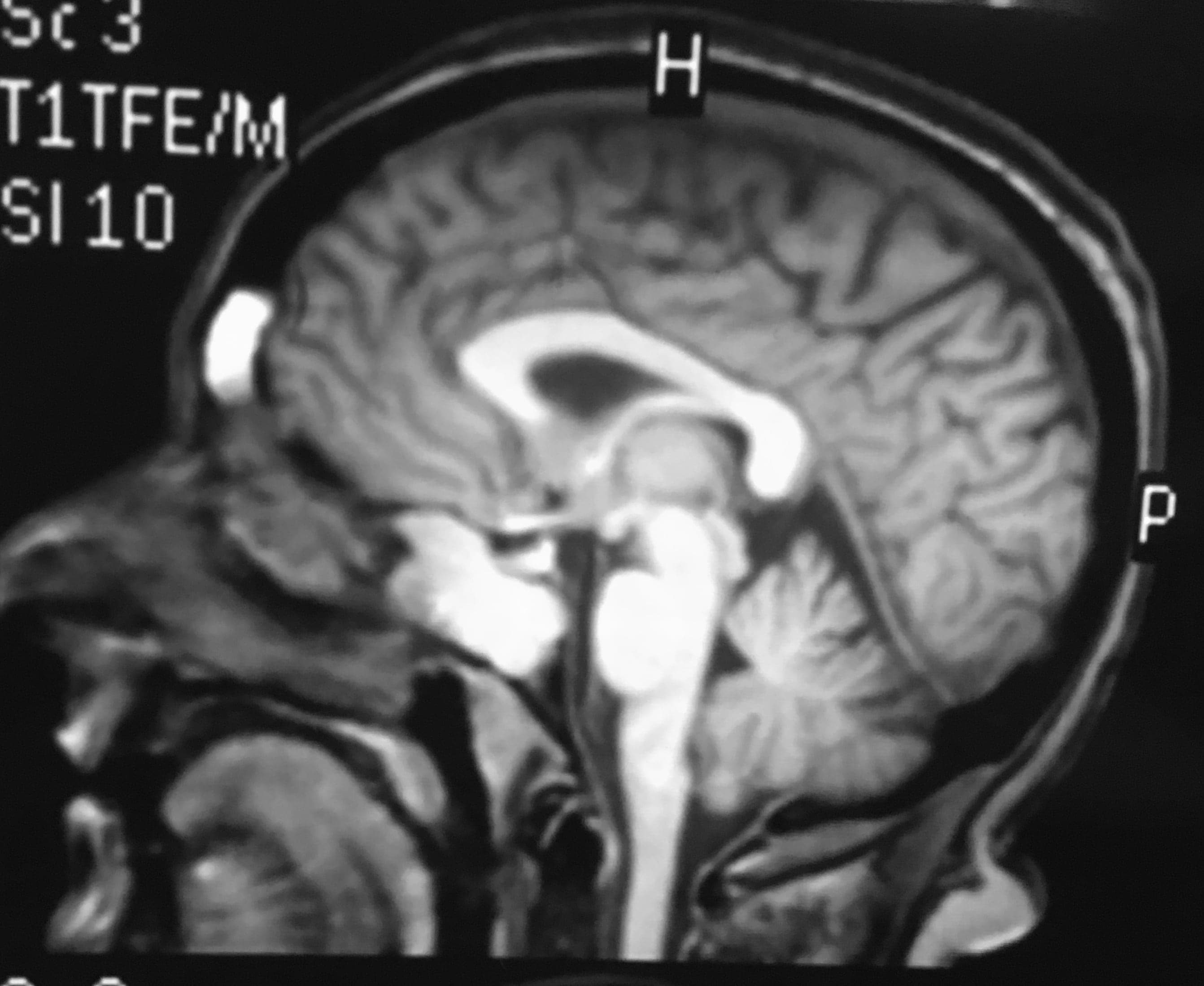
Esthesioneuroblastoma is a rare malignant tumor of the anterior skull base originating from olfactory cells. It can behave both locally and at a distance, affecting cervical lymph nodes and distant organs.
Clinically it presents with sinusitis, facial pain, nasal obstruction, olfactory disturbances, bleeding, ocular proptosis, double vision, headache, and eventually cerebrospinal fluid leakage through the nasal passages.
The ideal treatment is complete resection with tumor-free margins, followed by evaluation for radiation therapy. Early resection with clear margins is associated with greater survival and a better prognosis.
Our team prioritizes the endoscopic endonasal approach for extra- and intracranial tumors whenever complete resection with clear oncologic margins is feasible. Endoscopic treatment minimizes surgical risks and leaves no visible scar.